
Charitable Trust Staff attended a recent webinar focused on Foundation grants and other non-government related forms of funding for nonprofits. Here is what we learned, so you can take action!
Nonprofit organizations nationwide rely heavily on government grants at the federal, state, and/or local level to operate. In Maryland, 69% of nonprofits would be in a negative operational balance within 1 year without government grants. In the current climate of federal grant cuts and attacks on philanthropy from the Trump Administration, it is more important than ever for nonprofits to seek and maintain diverse funding sources. While it is important to note that funding from Foundations cannot fully replace the need for government grants, supplementing in this way is extremely beneficial. Below we cover types of non-government funding, current top funded missions, and tips to get your nonprofit noticed by these funders.
Foundations and Donor Advised Funds
Foundations are 501c3 charitable organizations whose primarily purpose is to make grants to organizations or institutions for charitable purposes. Foundations can be:
Private/Independent – Endowed by one source, such as an individual’s bequest, and does not seek donations. Has an independent Board, Staff, and usually a specific area of focus.
Family – Private Foundations in which the donor’s family members have governance. More likely not to accept unsolicited proposals.
Corporate – The charitable arm of major for-profit corporations. Funds come directly from corporates profits.
Community Foundations – A grantmaking charity created for and by a community of people, usually based off geographical location. Often these are sponsors of Donor Advised Funds (DAF’s). For example, Chesapeake Charities, which serves Southern Maryland. https://chesapeakecharities.org/
Donor Advised Funds – In the current climate, Donor Advised Funds are becoming more common than other Foundation funding. DAF’s are a single donor’s account for charitable giving. They get an immediate tax break when they invest in their Fund, at which time the overseeing organization invests and manages the funds. The Donor advises how to give out the money to which charities/missions. DAF’s must pay out at least 5% to charity annually, with most doing about 7%.
Most Funded Missions & Tips for Success
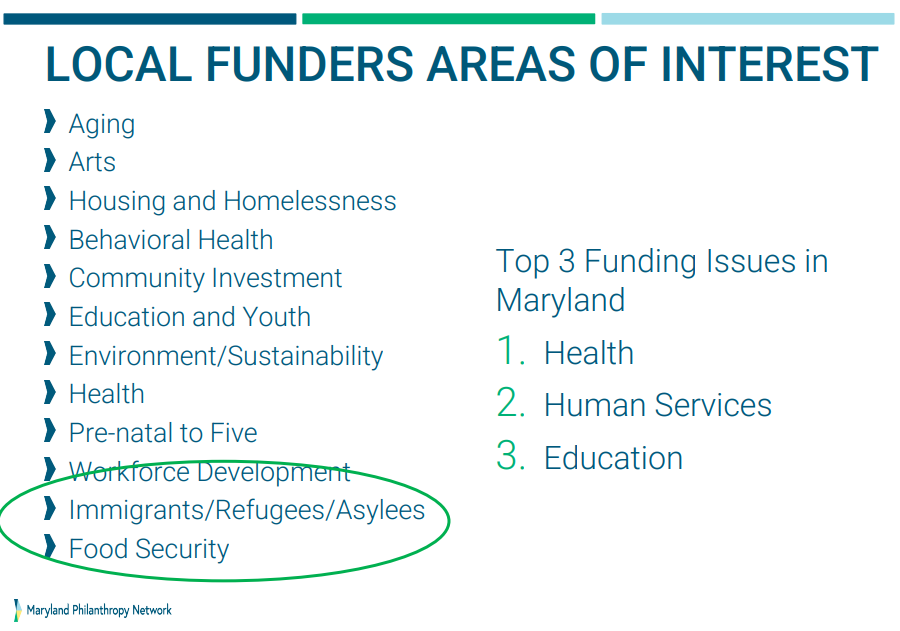
Statistics show a recent increase in Foundation grants in the areas of basic needs (food, housing, necessity items, health) and support for immigrants and refugees. This is due to current events in the US, including violence against immigrant communities, increasing cost of living, and cuts being made to government assistance like SNAP and Medicaid. While this is a large area of support for Foundations in 2026, many are “staying the course” regarding what missions they support year after year. To find the best grantmaking Foundations to apply to, be sure to look at each Foundation’s language and what they have funded in the past. Engage with those that most closely identify with your organization’s mission. When applying, pay particular attention to these strategies:
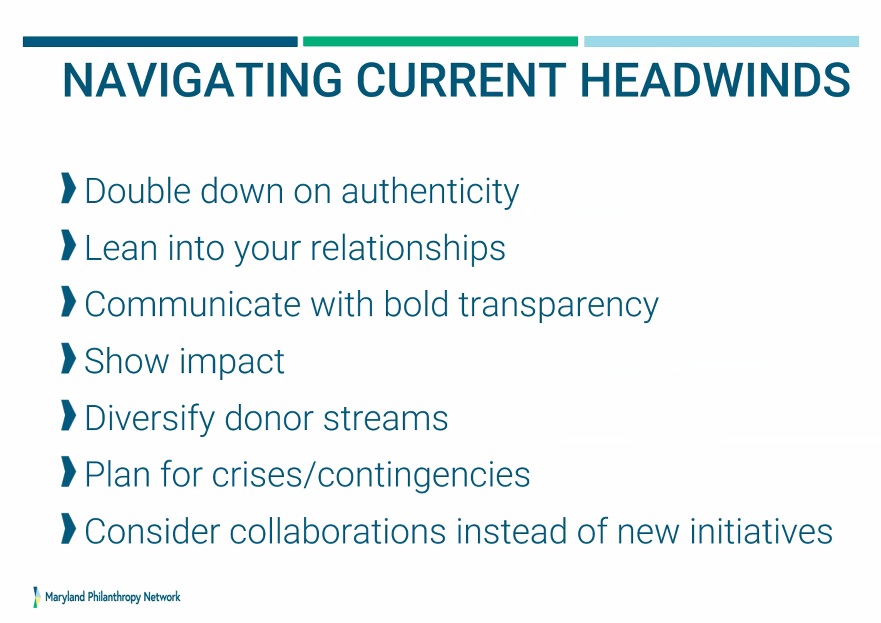
- Authenticity – While the current federal government disapproves of mentioning diversity, equity, inclusion, or serving specific population groups in grant requests, Foundations typically still support these. Foundations for the large part are not backing down on diversity initiatives.
- Lean into relationships – Reach out to Foundation Program Managers, connect, ask questions, and submit a letter of inquiry before applying.
- Show impact– Funders are looking at evidence-based programs and impact reporting even more than in the past since the demand for funding is so high. In your applications and other forms of communication with potential funders, focus heavily on IMPACT and evidence of your program.
- Consider collaborations – Before creating new programs, research other organizations that do similar work and look for partnerships. This saves money and is more effective versus starting a program from scratch.
To find available Foundation grant opportunities and more, follow the Charitable Trust’s “Grants to Know” weekly initiative on facebook. New grants are posted every Wednesday:
Information in this article was provided by Maryland Philanthropy Network and Maryland Nonprofits. Connect with them for more resources: https://www.marylandphilanthropy.org/https://marylandnonprofits.org/